

Brand storytelling works because people love stories. It builds emotional connections, trust, and loyalty. Here’s why it matters: 92% of consumers prefer campaigns that feel like stories, and 55% are more likely to buy from brands with strong stories. The best stories focus on customers, not products, and are consistent across all platforms.
Key Insights:
- Emotional Connection: Emotional campaigns perform twice as well as fact-based ones.
- Consistency: 75% of consumers expect seamless branding across channels.
- Customer-Centric Stories: People are 22× more likely to remember facts in a story.
10 Case Studies Overview:
- Airbnb: Highlights host stories to foster community.
- State Farm: Turned a viral moment into a full campaign.
- Coca-Cola: Personalized connections with “Share a Coke.”
- Guinness: Emotional ads about resilience and friendship.
- Apple: Stories of transformation through innovation.
- Ling App: User and founder stories make language learning relatable.
- Backlinko: Shares lessons from failures, building trust.
- Twitch & Amazon Ads: Focus on creator journeys to inspire.
- Gowling WLG: Simplifies legal challenges with empathy.
- Volvo: Emphasizes safety and family in heartfelt campaigns.
Quick Comparison:
| Brand | Storytelling Technique | Emotional Impact | Business Outcome |
|---|---|---|---|
| Airbnb | Host stories | Trust and community | Boosted engagement globally |
| State Farm | Viral moment turned campaign | Humor and relatability | Increased recognition, awards |
| Coca-Cola | Personalized "Share a Coke" | Nostalgia and happiness | Higher sales and engagement |
| Guinness | Cinematic resilience stories | Camaraderie and trust | Premium brand perception |
| Apple | Customer transformation stories | Inspiration and innovation | Stronger brand identity |
| Ling App | Founders’ and users’ journeys | Relatability and community | Higher user engagement |
| Backlinko | Transparent failure lessons | Trust and authenticity | Built credibility and loyalty |
| Twitch & Amazon | Creator-focused narratives | Inspiration and connection | Expanded audience reach |
| Gowling WLG | Legal guidance as stories | Empathy and clarity | Improved client trust |
| Volvo | Family and safety campaigns | Trust and family values | Strengthened safety reputation |
Takeaway:
To succeed, brands should focus on real, emotional, and consistent stories that make customers the heroes. This approach drives engagement, loyalty, and sales.
5 Captivating Brand Storytelling Examples
Core Elements of Effective Brand Storytelling
Before we dive into specific case studies, let’s take a closer look at what makes brand storytelling work. It’s not about having the biggest budget – it’s about mastering three key elements. These principles lay the groundwork for the examples we’ll explore, showing how each one turns these ideas into measurable results.
Authenticity and Relatability
At its core, authentic storytelling reflects a brand’s true values and identity. It’s about being open – sharing both the wins and the struggles. This honesty builds trust, and trust is what connects brands to people. In fact, 64% of consumers say they form relationships with brands because of shared values.
Take Ben & Jerry’s, for example. They don’t just sell ice cream; they stand for social justice. They use their platform to raise awareness, advocate for change, and even back legislation on key issues. Their activism has created a loyal community of customers who share their vision for a better world. This proves that standing for something bigger than your product can inspire loyalty and advocacy.
Relatability is just as important. To connect with your audience, you need to understand their challenges, dreams, and experiences. Tailor your stories to reflect their lives. Better yet, invite them to share their own stories. When customers see themselves in your brand, they feel valued – and that’s a connection money can’t buy.
Emotional Connection
Great storytelling isn’t about selling – it’s about creating moments that stick. Emotional marketing taps into feelings, building trust and loyalty without relying on flashy campaigns.
"We change because we hear stories, and because we tell them." – Dana Udall, Ph.D.
Start by defining your brand’s personality and learning what resonates emotionally with your audience. Tools like surveys, social media listening, and direct feedback can help uncover what drives their decisions – their hopes, fears, and motivations. By sharing real, heartfelt stories about your employees or customers, you humanize your brand, making it both relatable and unforgettable.
Visual elements also play a big role here. Colors, imagery, and typography can spark emotions that reinforce your story. For smaller businesses, this approach can turn casual visitors into loyal fans by creating a connection that goes beyond the product.
Consistency Across Channels
Consistency is what keeps your storytelling on track. It’s about ensuring everything – from your website to your social media – aligns with your brand’s identity and values. And it matters: 75% of consumers expect a seamless experience across all channels. Plus, consistent branding can boost revenue by up to 23% and significantly improve conversion rates when multiple channels are used.
"Brand consistency means delivering content and experiences in line with your brand’s identity, values, and strategy across all channels." – Andrew Brzezicki, Global Content Marketing Manager
To maintain consistency, establish clear brand guidelines. These should cover everything from logo usage and color schemes to voice and tone. Regularly audit your online presence – your website, emails, and social media – to ensure everything aligns. Simple strategies like scheduling social media posts with a consistent tone, training customer service teams to reflect your brand’s personality, and monitoring user-generated content can help. With two-thirds of businesses linking consistency to revenue growth of over 10%, it’s clear that this isn’t just about looking polished – it’s about driving results.
10 Brand Storytelling Case Studies
These ten brands demonstrate how storytelling can connect with customers and drive business success. Each example highlights the importance of genuine narratives, emotional appeal, and consistent messaging.
Airbnb: Creating Community Through Host Stories
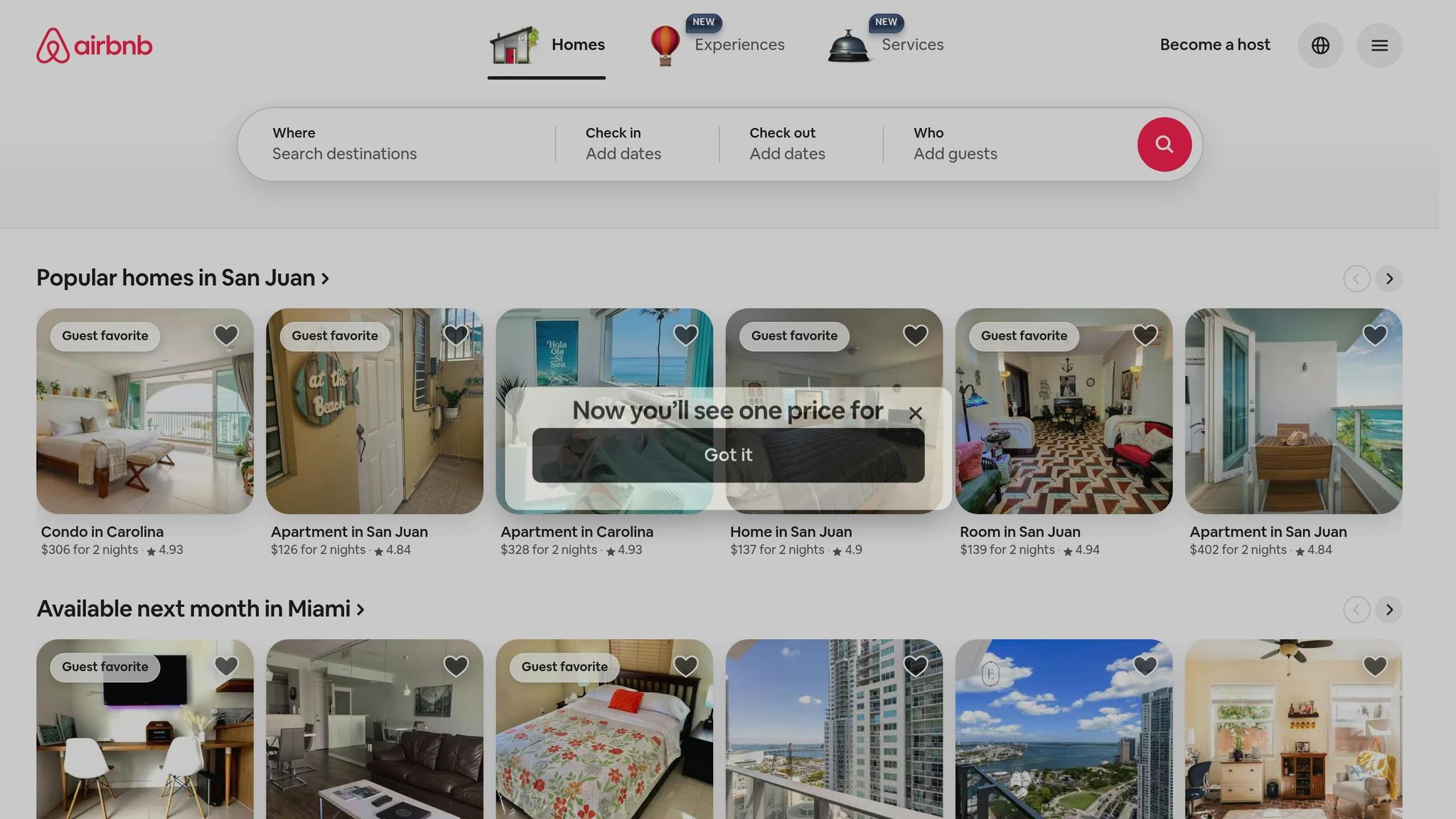
Airbnb reshaped the travel industry by focusing on the stories of its hosts. As one campaign put it:
"Airbnb changed how travel is marketed…it built a global brand by making belonging a business strategy, and using storytelling to replace traditional ads."
With operations in over 220 countries, 4 million hosts, and 150 million users, Airbnb reimagined travel discovery in 2022 through its "Categories" feature, turning mundane bookings into aspirational journeys. Long-term stays now account for over 20% of nights booked. The company also returned to its roots with the launch of Airbnb Rooms, highlighted in a promotional video featuring its first-ever hosts, Joe and Brian. This approach shows the power of storytelling in building a brand.
State Farm: Viral Content as a Campaign Foundation
State Farm turned a single viral moment into a full-fledged campaign with "Jazz Bath: The Bath Bomb Sessions." What started as a widely shared ad evolved into a multi-channel strategy, earning the campaign recognition as a 2023 Project of the Year finalist. This is a great example of leveraging viral moments for long-term engagement.
Coca-Cola: Personalized Nostalgia with "Share a Coke"
Coca-Cola’s "Share a Coke" campaign replaced its iconic logo with popular names, creating a personal connection for consumers. During the 2018 FIFA World Cup, the brand used augmented reality to deliver exclusive content featuring soccer stars, driving both engagement and sales. This campaign highlights how nostalgia and personalization can foster deeper customer relationships.
Guinness: Emotional Resilience in Cinematic Ads
Guinness taps into themes of camaraderie and resilience with its emotionally powerful campaigns. These ads, often resembling short films, focus on real-life stories of perseverance and friendship, reinforcing the brand’s premium image while connecting deeply with its audience.
Apple: Aspirational Stories of Transformation
Apple excels at telling stories that inspire. By showcasing customers who use their products to overcome challenges, Apple positions its devices as tools for personal and professional transformation. This aspirational storytelling strengthens their brand identity.
Ling App: Making Language Learning Relatable
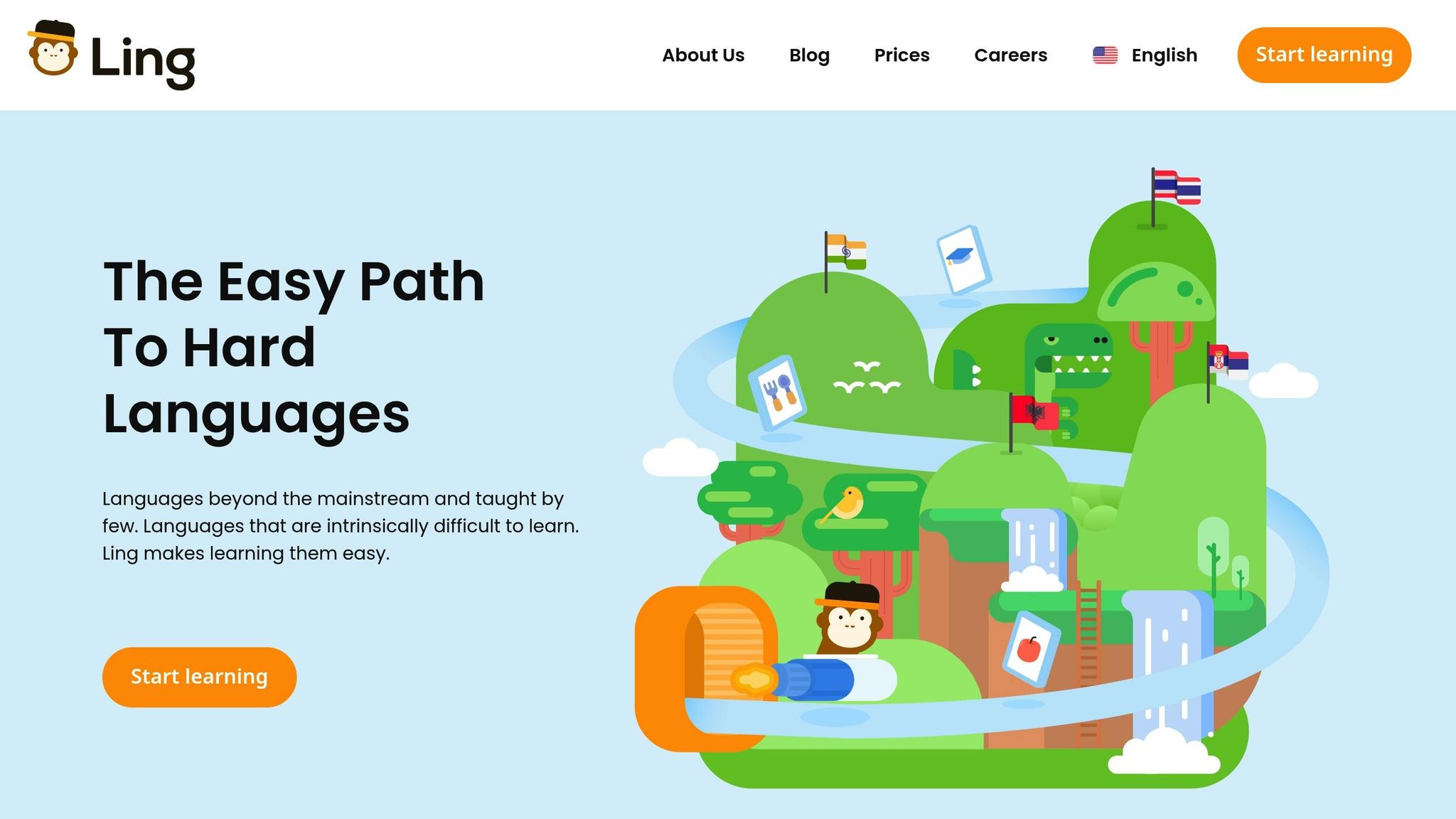
Ling App takes a personal approach by combining the founders’ journey with user success stories. This human-focused narrative breaks down the challenges of language learning while fostering a sense of community among users.
Backlinko: Lessons from Failure
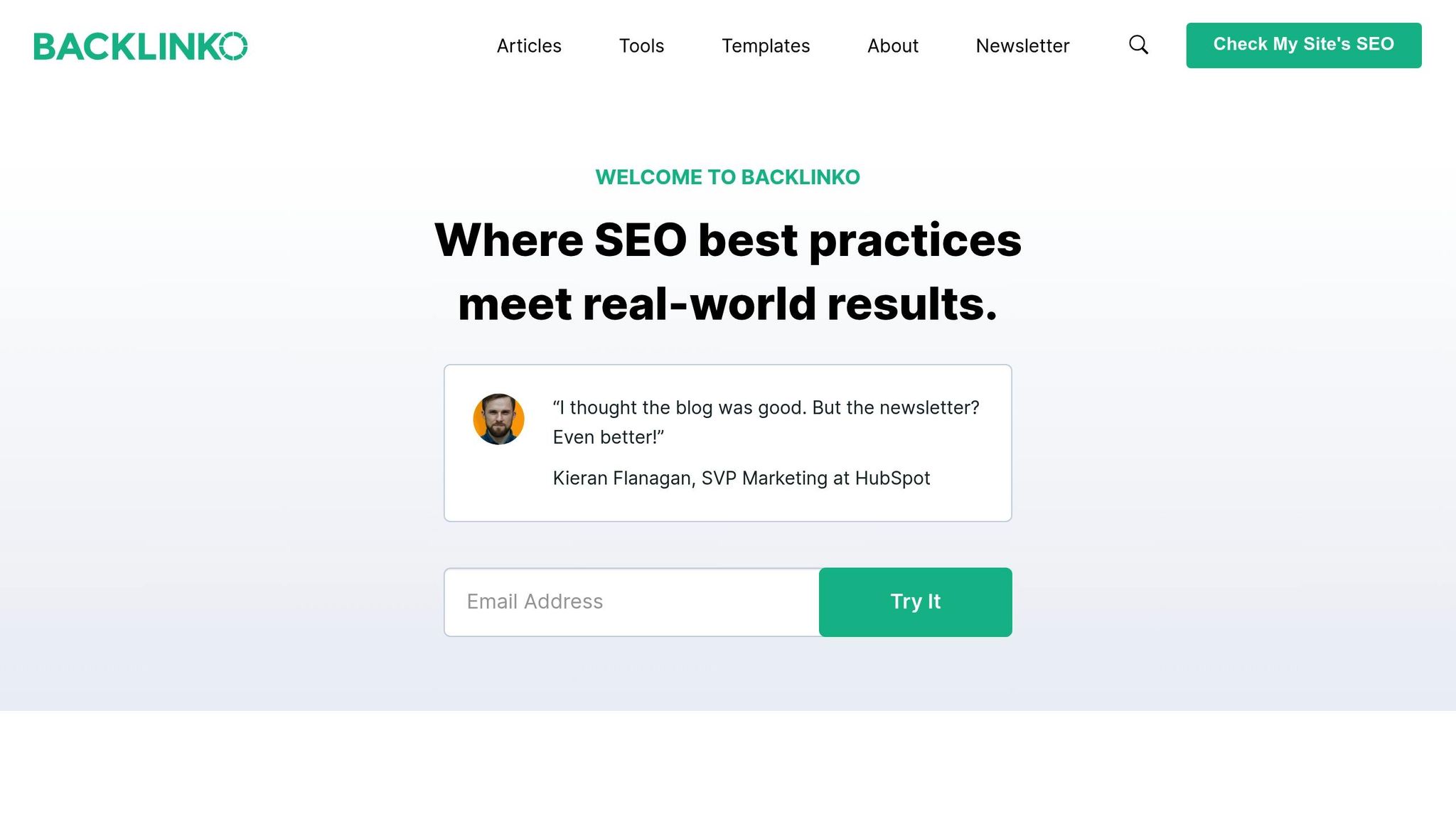
Backlinko builds trust by sharing not just its successes but also its failures. By being transparent about setbacks and the lessons learned, the brand resonates with marketers and business owners who appreciate real-world insights and authenticity.
Twitch and Amazon Ads: Highlighting Creator Journeys
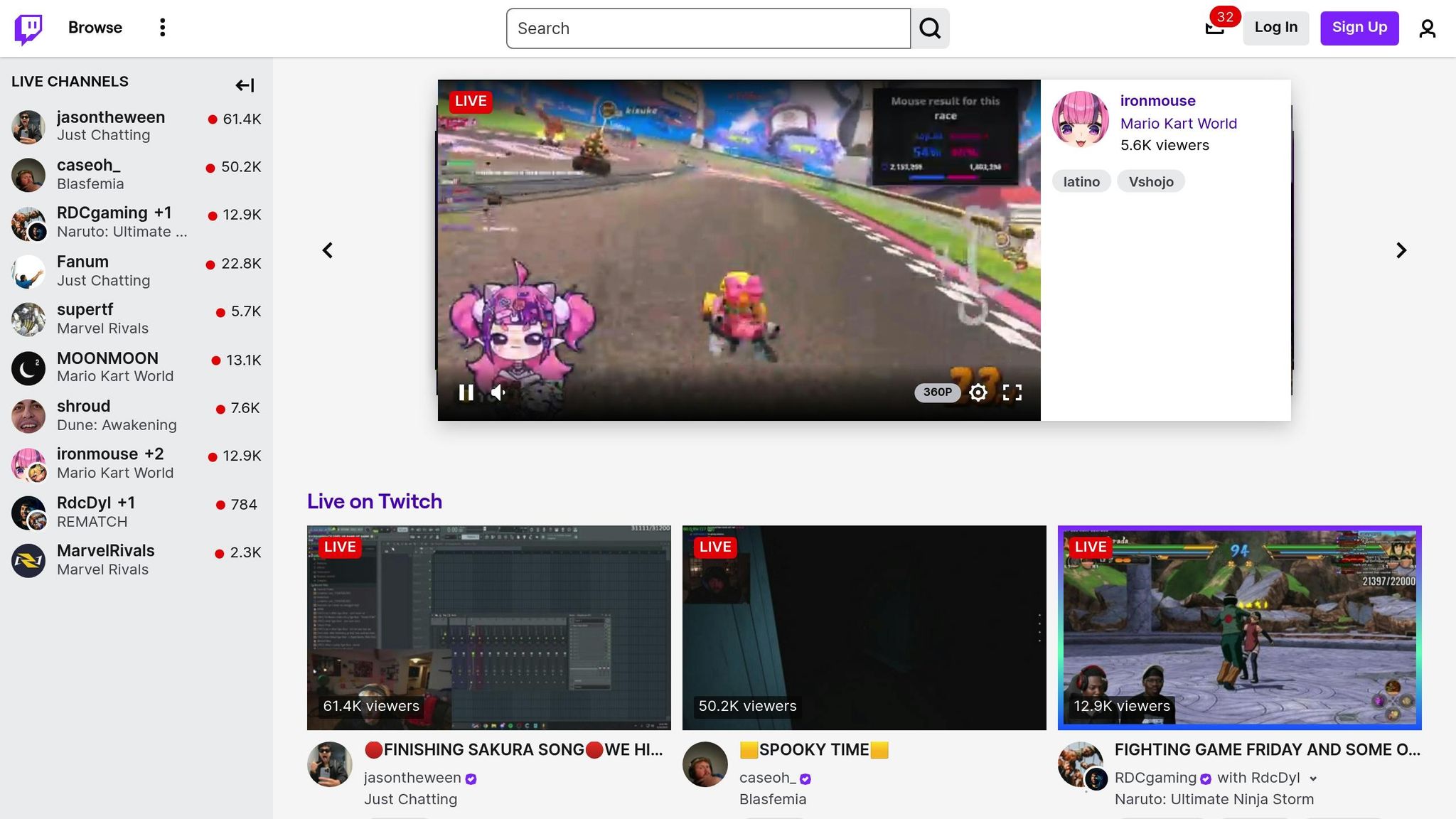
Twitch and Amazon Ads engage audiences by sharing the stories of content creators. These narratives, which showcase both struggles and triumphs, inspire aspiring creators while offering advertisers compelling examples of success.
Gowling WLG: Simplifying Legal Challenges
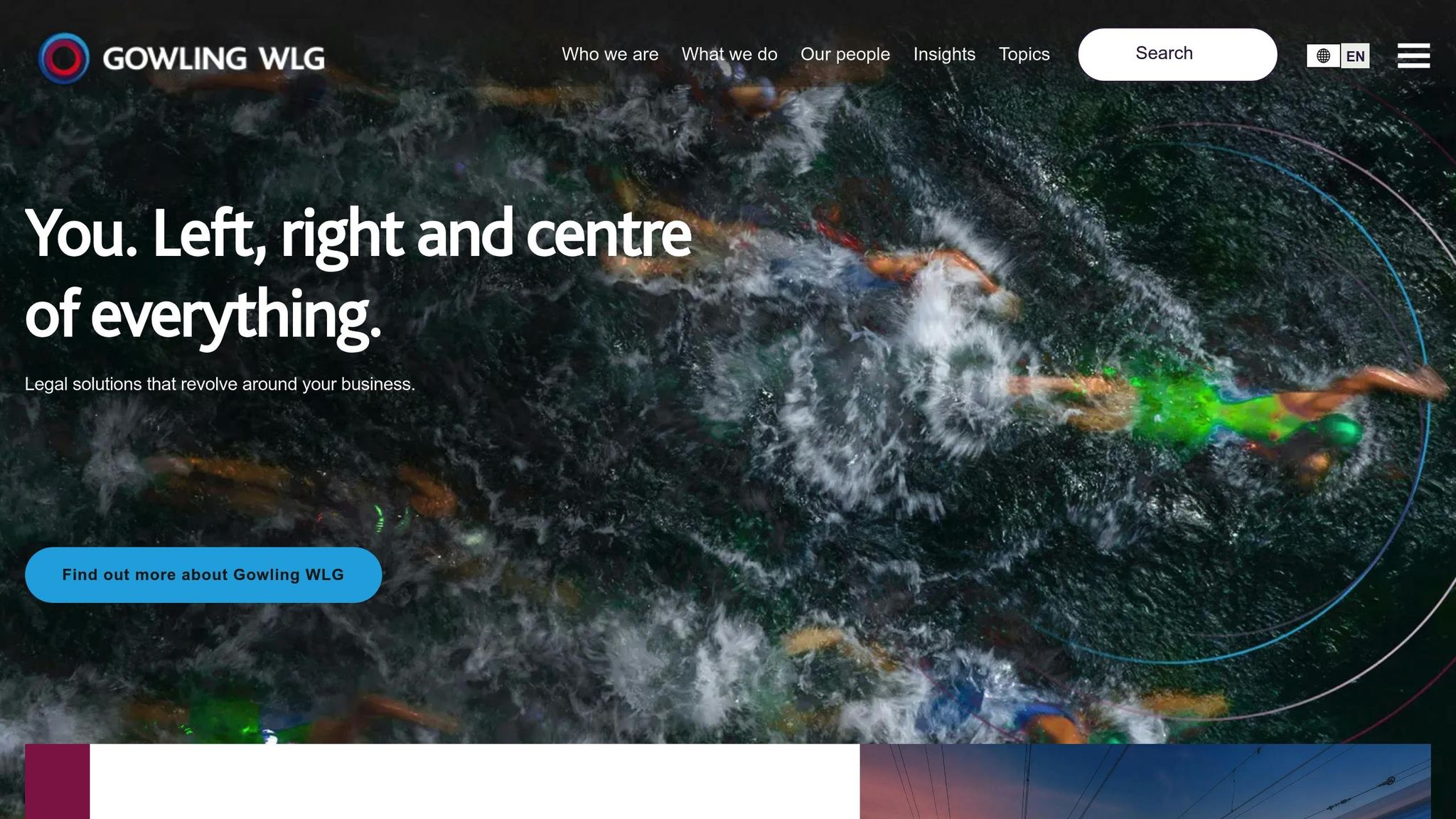
Law firm Gowling WLG uses storytelling to guide clients through complex legal processes. By framing these challenges as clear, manageable journeys, the firm combines expertise with empathy, building trust and demystifying legal services.
Volvo: Safety and Family at the Core
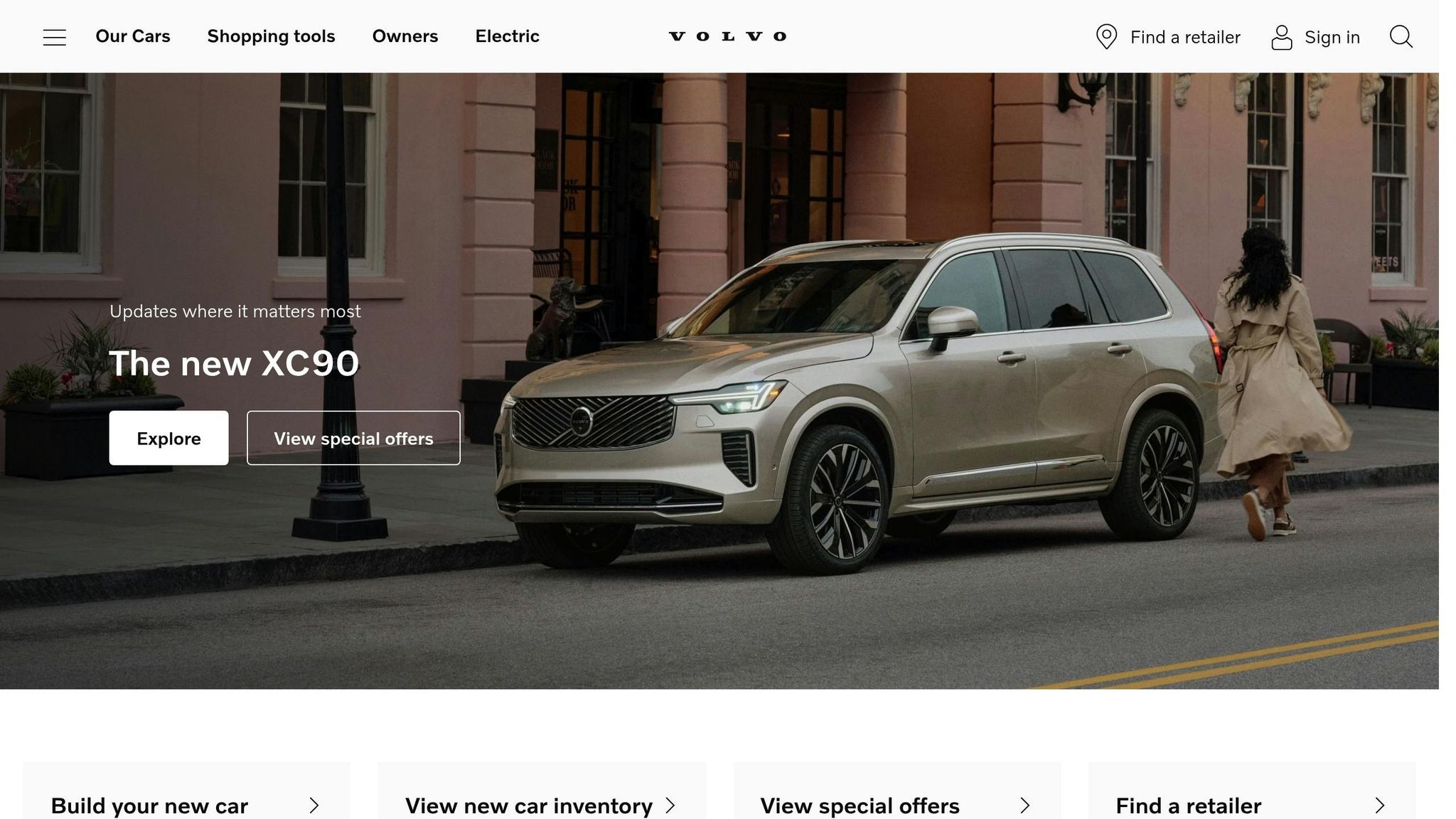
Volvo emphasizes safety and family values through emotionally resonant campaigns. Their "Safety in Mind" campaign, featuring eight YouTube videos with over 1.6 million views, highlights a vision of a crash-free future. This approach reinforces Volvo’s commitment to its core values.
sbb-itb-e4c192c
Comparison of Case Studies
When you look at these brands side by side, it’s clear that their storytelling strategies play a major role in driving their success.
The most impactful campaigns share key traits: they feel genuine, strike an emotional chord, and put the customer at the center. Research backs this up – consumers with a strong emotional connection to a brand are three times more likely to buy again and recommend it to others. That said, how these elements come to life can vary widely depending on the industry.
For instance, tech brands like Apple focus on aspirational stories about transformation, while service brands like Airbnb emphasize community. Financial firms, such as State Farm, often lean on humor and relatability. Campaigns like Coca-Cola’s "Share a Coke" highlight the power of personalization, while State Farm’s quick pivot to capitalize on a viral moment shows how agility in storytelling can pay off. Meanwhile, Backlinko builds a loyal audience by sharing lessons learned from failures, creating a sense of trust and vulnerability.
Comparison Table
| Brand | Storytelling Technique | Emotional Impact | Business Outcome |
|---|---|---|---|
| Airbnb | Host stories featuring real hosts | Trust and community | Strengthened global community engagement |
| State Farm | Multi-channel campaign sparked by a viral moment | Relatability and humor | Increased brand recognition and award-winning success |
| Coca-Cola | Personalized "Share a Coke" campaign | Happiness and nostalgia | Boosted consumer engagement and sales |
| Guinness | Cinematic storytelling about resilience | Resilience and camaraderie | Elevated premium brand perception |
| Apple | Stories of aspirational product transformation | Innovation and individuality | Reinforced brand identity |
| Ling App | Founders’ journey and user success stories | Relatability and community | Higher user engagement |
| Backlinko | Transparent lessons from failures | Trust and authenticity | Built audience trust and credibility |
| Twitch and Amazon Ads | Creator-focused multimedia stories | Inspiration and connection | Expanded audience and platform engagement |
| Gowling WLG | Roadmap-style legal guidance narratives | Empathy and clarity | Improved client trust and retention |
| Volvo | Safety-focused family narratives | Trust and family values | Strengthened family-oriented brand perception |
The numbers don’t lie – ads with emotional content perform twice as well as those that stick to just the facts. That’s why brands like Guinness invest in cinematic storytelling, weaving tales of resilience, while Volvo zeroes in on family safety, a theme that resonates deeply with parents.
One standout theme is that the most effective campaigns make the customer the hero of the story. Whether it’s Airbnb spotlighting its hosts, Ling App sharing user success stories, or Backlinko’s candid accounts of failure, these brands put real people front and center. It’s a smart move – research shows that people are 22 times more likely to remember a fact when it’s embedded in a story.
Another takeaway? Consistency across channels is key. Brands like State Farm and Coca-Cola that maintain a unified narrative across multiple platforms see greater reach and engagement than those with scattered efforts. For example, State Farm extended its viral jazz campaign seamlessly across channels, while Coca-Cola’s integrated "Share a Coke" campaign kept the message cohesive, amplifying its impact.
Conclusion and Key Takeaways
The case studies we’ve explored demonstrate that storytelling isn’t just a creative exercise – it’s a powerful business tool that delivers measurable results. Consider Airbnb’s 25% boost in booking rates after embracing "Belong Anywhere" as their storytelling foundation, or State Farm’s viral campaign that evolved into an award-winning marketing strategy. These examples highlight how genuine narratives create meaningful connections with customers.
The secret? Authenticity. Real stories resonate and build trust. As Patagonia founder Yvon Chouinard puts it:
"If you can create a company of honest messaging and truth, your customers will look to you for what’s right".
The data backs this up: human-centered stories drive engagement, encourage repeat purchases, and inspire sharing. At the heart of these successes is a simple but powerful idea: make your customer the hero of the story, not your product. Whether it’s Airbnb spotlighting host experiences, Ling App showcasing user success, or Backlinko sharing lessons from failure, the most effective brands focus on people. Why? Because stories that center on real individuals can be up to 22 times more engaging.
To harness the power of storytelling, start with your core values and mission. Understand your audience deeply and craft narratives that address their challenges and aspirations. Consistency is key; weaving authentic storytelling across every customer interaction strengthens the bond between your brand and its audience. As Amy Suto, CEO of Sutoscience, explains:
"Brand storytelling is the overarching strategy that imbues every aspect of your business, down to the copy on your 404 page, to the style of the newsletters you send to customers".
This cohesive approach is what sets apart brands that see storytelling drive a 30% increase in conversion rates from those that struggle to connect. The brands in these case studies didn’t just tell stories – they built immersive worlds around their narratives. They understood that in today’s marketplace, consumers aren’t just buying products; they’re buying into values, beliefs, and visions for the future. As Simon Sinek famously said:
"People don’t buy what you do; they buy why you do it".
The opportunity is clear for brands willing to embrace storytelling. With 64% of consumers seeking emotional connections with brands and branded stories proving to be 22 times more engaging, the question isn’t whether storytelling works – it’s whether you’re ready to start sharing your story.
FAQs
How can small businesses use brand storytelling effectively on a limited budget?
Small businesses don’t need a massive budget to tell a powerful brand story. The key lies in focusing on genuine connections and sharing what makes your brand tick. Talk about your mission, your values, and the people who bring your business to life. Share behind-the-scenes glimpses, highlight customer success stories, or even discuss the hurdles you’ve faced and how you overcame them.
Platforms like Instagram, TikTok, and YouTube Shorts offer budget-friendly ways to present your story in a fun and engaging manner. You can also use email newsletters to keep that personal touch alive and remind your audience of what your brand stands for. By sticking to a consistent tone and visual style, you can build a strong and memorable brand identity – without spending a fortune.
How can I maintain consistent brand storytelling across different platforms?
To ensure your brand tells a cohesive story across all platforms, begin with well-defined brand guidelines. These should outline your messaging, tone, visual elements, and overall voice. Make sure your team is trained to stick to these standards so everyone stays on the same page.
Leverage centralized content management tools to simplify collaboration and maintain consistency. It’s also important to routinely review and audit your content across different platforms. This helps confirm that your messaging remains aligned and continues to connect with your audience. A unified narrative not only builds trust but also reinforces your brand identity.
How does storytelling create emotional connections that influence consumer behavior and brand loyalty?
Storytelling has a unique way of forging emotional bonds by resonating with the feelings and values of your audience. This approach makes your brand feel more relatable and leaves a lasting impression. When people connect with the story behind a brand, they’re more inclined to trust it, engage with it, and stick around for the long haul.
By sparking positive emotions, storytelling builds trust, aligns with what matters to your audience, and encourages them to come back for more. Over time, this connection turns customers into enthusiastic advocates who share their experiences, spreading the word and boosting loyalty. In the end, storytelling doesn’t just strengthen relationships – it also plays a key role in shaping buying decisions.


